
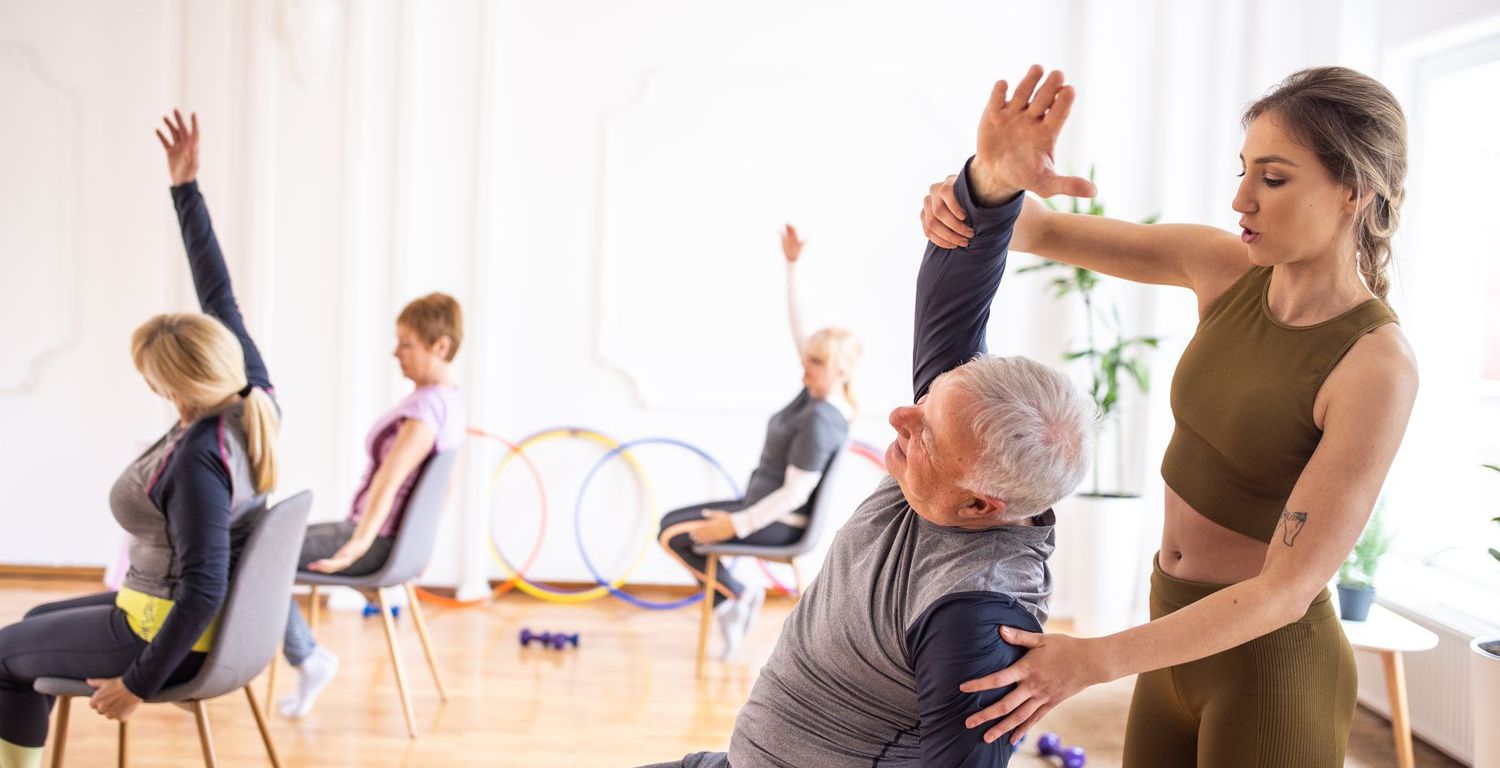
Singapore’s fitness scene thrives on intensity. From high-energy HIIT workouts to long-distance runs and heavy lifting, many fitness enthusiasts chase performance through power and speed. Yet, what often gets overlooked is the quieter side of athletic success — recovery, mobility, and balance. This is where chair yoga comes in, offering a powerful, low-impact method to restore alignment, enhance flexibility, and prevent injury without compromising strength.
Chair yoga may not sound like something an athlete would prioritise, but it is quickly gaining attention as an effective recovery and performance-enhancing tool. It bridges the gap between intensity and mindfulness, helping the body recalibrate after high-impact routines while building long-term functional resilience.
Why Athletes Need Balance, Not Just Power
High-intensity workouts are great for cardiovascular endurance and muscle strength, but they also place significant stress on joints and connective tissues. Over time, this creates muscular imbalances — for example, overdeveloped quadriceps paired with tight hip flexors, or strong chest muscles that pull the shoulders forward.
Without proper mobility training, these imbalances can limit performance, reduce range of motion, and increase injury risk. Chair yoga counteracts these effects by gently releasing tension from overworked muscles while activating stabilisers that often go neglected during traditional training.
Chair Yoga’s Role in Functional Recovery
Unlike static stretching or foam rolling, chair yoga integrates breath, movement, and posture to promote active recovery. This approach improves blood circulation, encourages lymphatic drainage, and releases lactic acid buildup after strenuous workouts.
Key recovery benefits include:
- Reduced Muscle Tightness: Gentle stretching of the hamstrings, calves, and shoulders restores flexibility without overexertion.
- Improved Joint Mobility: Supported postures relieve pressure on the knees, hips, and spine, enhancing joint range and comfort.
- Enhanced Mind-Body Awareness: Athletes learn to sense subtle tension points, helping them adjust technique and prevent strain.
Even short chair yoga sessions post-training can significantly reduce soreness and aid quicker recovery, allowing athletes to return to peak condition faster.
Building Strength Through Stability
Many athletes focus on visible strength — how much they can lift, sprint, or endure. Chair yoga, however, develops stabilising strength, the kind that keeps movements efficient and safe.
The seated and supported nature of the practice allows precise activation of deep core muscles, including the transversus abdominis and obliques. These muscles are essential for maintaining posture during lifts, sprints, or jumps. For instance:
- Seated Leg Lifts engage the lower core without straining the spine.
- Chair Twists strengthen the obliques, improving rotational control for sports like tennis or golf.
- Arm Raises and Holds develop shoulder endurance and scapular stability, crucial for weightlifters and swimmers.
The result is balanced strength that translates directly into better athletic form and reduced risk of injury.
Enhancing Mobility for Better Performance
Mobility is often the missing link between strength and speed. Without it, power becomes restricted. Chair yoga targets this by improving flexibility in key muscle groups while maintaining joint stability.
For example:
- Hip-Opening Sequences release tension from tight hip flexors caused by sprinting or squatting.
- Spinal Stretches counteract compression from heavy lifts.
- Ankle Rotations and Seated Calf Raises enhance lower-body responsiveness and balance.
Athletes who regularly practise these movements often notice improvements in stride length, squat depth, and overhead reach, translating to better performance in their chosen sport.
Breathwork: The Athletic Edge
Every athletic discipline benefits from effective breathing. Chair yoga integrates breath awareness into every movement, helping athletes regulate heart rate and maintain composure under stress.
Practising diaphragmatic breathing during chair yoga teaches better oxygen control, which in turn enhances endurance and recovery. Controlled exhalation helps release muscular tension and lowers cortisol levels, reducing inflammation after intense workouts.
In sports like running or CrossFit, where breath efficiency directly affects stamina, these techniques become invaluable performance tools.
Integrating Chair Yoga into an Athlete’s Routine
Chair yoga can be tailored to suit various stages of an athlete’s training cycle:
- Pre-Workout (Activation): Gentle chair sequences help warm up stabilising muscles and prepare joints for movement.
- Post-Workout (Recovery): Slow, supported stretches relieve tightness and aid in muscle repair.
- Rest Days (Maintenance): Practising mindful mobility keeps the body supple and enhances recovery without fatigue.
Here’s a simple 10-minute chair yoga sequence athletes can follow:
- Seated Cat-Cow: Warm up the spine and release stiffness in the back.
- Chair Forward Fold: Lengthen the hamstrings and decompress the lower back.
- Seated Twist: Improve spinal rotation and core strength.
- Shoulder Rolls and Arm Circles: Release upper-body tension and improve circulation.
- Ankle and Knee Rotations: Maintain lower joint flexibility for running and jumping.
This short routine can be done at home, the gym, or even in an office, making it accessible no matter how tight the schedule.
Mental Recovery and Focus
Athletic performance is as much mental as physical. Chair yoga’s meditative approach helps athletes manage stress, anxiety, and overtraining fatigue. The slow, mindful movements combined with deep breathing engage the parasympathetic nervous system — the body’s natural recovery mode.
This mental reset improves concentration, emotional stability, and sleep quality, all of which contribute to improved performance on training days. Many athletes in Singapore incorporate chair yoga on rest days specifically to maintain a balanced, focused mindset amid demanding schedules.
Preventing Common Athletic Injuries
By improving alignment and muscle balance, chair yoga helps prevent injuries such as:
- Lower back strain from poor lifting posture.
- Tight hamstrings leading to hamstring pulls.
- Shoulder impingement from overuse in weight training or swimming.
- Knee discomfort caused by weak glutes and tight quadriceps.
The stability work in chair yoga also strengthens smaller support muscles around major joints, offering better control and protection during dynamic movements.
Why Chair Yoga Appeals to the Modern Athlete
In Singapore, where fitness culture is both competitive and community-driven, athletes are beginning to recognise the importance of sustainability in their training. Chair yoga offers a recovery solution that is:
- Accessible: Can be practised anywhere, even in the gym or office.
- Efficient: Requires no equipment, just focus and consistency.
- Balanced: Strengthens, stretches, and restores simultaneously.
- Inclusive: Suitable for beginners, professionals, and those recovering from injuries.
It brings mindfulness into motion, transforming the idea of recovery into an active, purposeful process rather than passive rest.
Supported Practice for Lasting Results
The best results come from guided practice, especially for athletes new to yoga. At Yoga Edition, instructors integrate breathwork and alignment principles into sessions designed for flexibility, posture correction, and recovery. The supportive environment encourages awareness of how each movement benefits performance, making it a valuable complement to any training plan.
Athletes who participate in such structured sessions often find improvements not only in flexibility and recovery speed but also in focus and overall energy levels.
Frequently Asked Questions
Q1: Can chair yoga replace my regular stretching routine?
Yes, and it can improve upon it. Chair yoga combines movement with breath and mindfulness, offering deeper and more functional benefits than static stretching.
Q2: I already train six days a week. Is chair yoga still necessary?
Absolutely. Even 10 minutes a day can prevent stiffness, enhance mobility, and support muscle recovery. It helps sustain long-term performance and prevents overtraining injuries.
Q3: Will chair yoga make me lose muscle strength?
Not at all. It complements strength training by improving stability and flexibility. A strong muscle is only as effective as its mobility allows.
Q4: Can beginners or older athletes practise it safely?
Yes. The chair provides support, making it safe for all ages and fitness levels. It can also be modified to match your current condition.
Q5: How can I measure progress from chair yoga?
You’ll notice smoother movements, quicker recovery times, and a decrease in post-workout soreness. Over time, your posture and athletic form will also improve.
Chair yoga proves that high performance doesn’t always require high impact. By balancing strength with stability, power with mobility, and intensity with mindfulness, it creates the foundation for sustainable fitness. For athletes in Singapore, it’s not just a form of recovery — it’s an investment in long-term performance and overall well-being.
 Well Era Health