
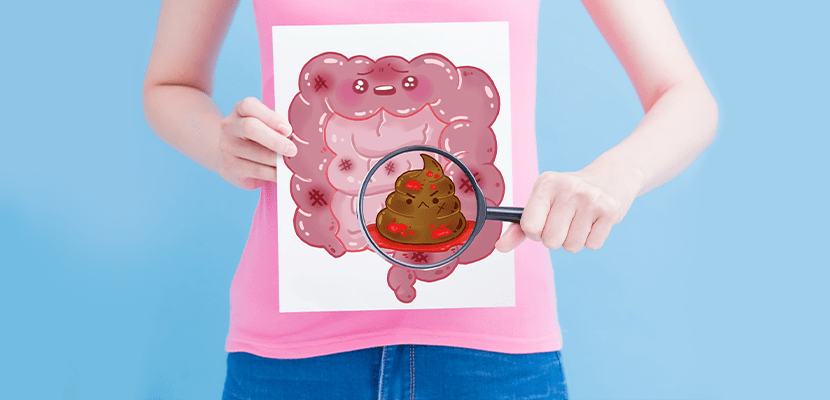
Seeing unusual signs during routine moments can create worry and confusion. Many people notice changes yet hesitate to act quickly. Paying attention to small signals helps prevent bigger concerns later. If you are looking for Blood in Stools what to do, Simple steps at home can offer support before seeking expert advice. Calm thinking with basic care can make a difference in early stages. Taking gentle actions allows better control over the situation while preparing for proper consultation.
Early Signs and Awareness
Noticing color change or discomfort during daily habits needs attention. Small streaks or darker shades may appear due to various minor reasons. Understanding body signals helps reduce panic and supports better decisions. Observation over a short period can guide next steps without delay.
Simple Home Care Steps
Maintaining hygiene is important during such conditions. Using clean water gently helps avoid irritation in sensitive areas. Soft materials should be preferred to reduce friction and discomfort. Avoiding strain during routine activities can support natural healing.
- Use lukewarm water gently after routine activity to reduce irritation
• Choose soft materials instead of rough ones to avoid further discomfort
• Keep affected area dry properly to maintain cleanliness and safety
• Avoid sitting long hours continuously to reduce pressure on area
• Maintain regular routine habits to support smooth natural body function
Hydration and Fiber Intake
Balanced intake supports smoother internal function and reduces strain. Natural sources of fiber help maintain easy movement during routine. Sufficient water intake keeps the system active and prevents dryness. These simple changes can reduce pressure that may cause visible signs.
When to Monitor Symptoms
Short term observation helps identify if the condition improves naturally. Persistent signs over several days may need careful attention. Pain or unusual weakness should not be ignored in such cases. Tracking frequency helps understand whether the issue is temporary.
- Note frequency of signs to understand pattern and possible changes
• Observe color variation carefully to identify unusual internal changes
• Check for discomfort levels during routine habits for early signals
• Track duration of issue to decide when support becomes necessary
• Pay attention to energy levels to notice weakness or unusual tiredness
Preparing for Medical Visit
Keeping clear details helps explain the condition better to a professional. Writing down symptoms ensures nothing important is missed during discussion. Simple notes about routine habits can provide helpful insights. Being ready with information supports quicker understanding and guidance.
Small actions for Blood in Stools what to doat home can provide relief and clarity before seeking help. Observing patterns with care allows better awareness without panic. Clean habits along with balanced intake can support natural function in early stages. If signs continue or worsen then timely consultation becomes important. Following steady steps ensures safety while preparing for expert advice.
FAQs
What does blood in stools usually indicate in early stages?
It may indicate minor irritation or strain in internal passage areas.
Can simple home steps reduce mild symptoms before professional consultation?
Yes basic care and observation may reduce discomfort in early situations.
When should someone consider seeking professional help for this issue?
If signs continue several days or discomfort increases then seek support.

