
Getting an elderly parent to a clinic appointment across Melbourne sounds simple until you’ve actually tried it. There’s the car park search near the clinic, the walk from the car, the wait in a busy reception area, and then the whole trip in reverse — all for a 30-minute session. It’s no surprise that home visit physiotherapy in Melbourne has become the preferred option for families juggling mobility issues, chronic conditions, and the general chaos of getting around a sprawling city.
Melbourne’s weather doesn’t help either. A freezing, wet Tuesday morning is hardly the ideal time to be helping someone with balance issues navigate icy footpaths to a car. For many older residents and people living with disability, the physical and logistical toll of clinic visits can outweigh the benefit of the appointment itself. Bringing the physiotherapist to the person, rather than the other way around, removes that barrier entirely.
A City Built for Distance, Not Convenience
Melbourne’s metro area stretches from the Mornington Peninsula down south to the outer growth corridors in the north and west. For someone living with reduced mobility in, say, Frankston or Sunbury, a “quick” trip to a physio clinic can eat up half a day once you factor in transport and recovery time. Traffic on the Monash or the Eastern Freeway during peak hour doesn’t discriminate based on how tired your passenger is.
This is where a home-based model genuinely changes outcomes. Sessions can be scheduled around a person’s energy levels rather than clinic opening hours, and there’s no post-appointment exhaustion from the trip itself eating into whatever progress was made in the session.
What a Home Visit Actually Looks Like
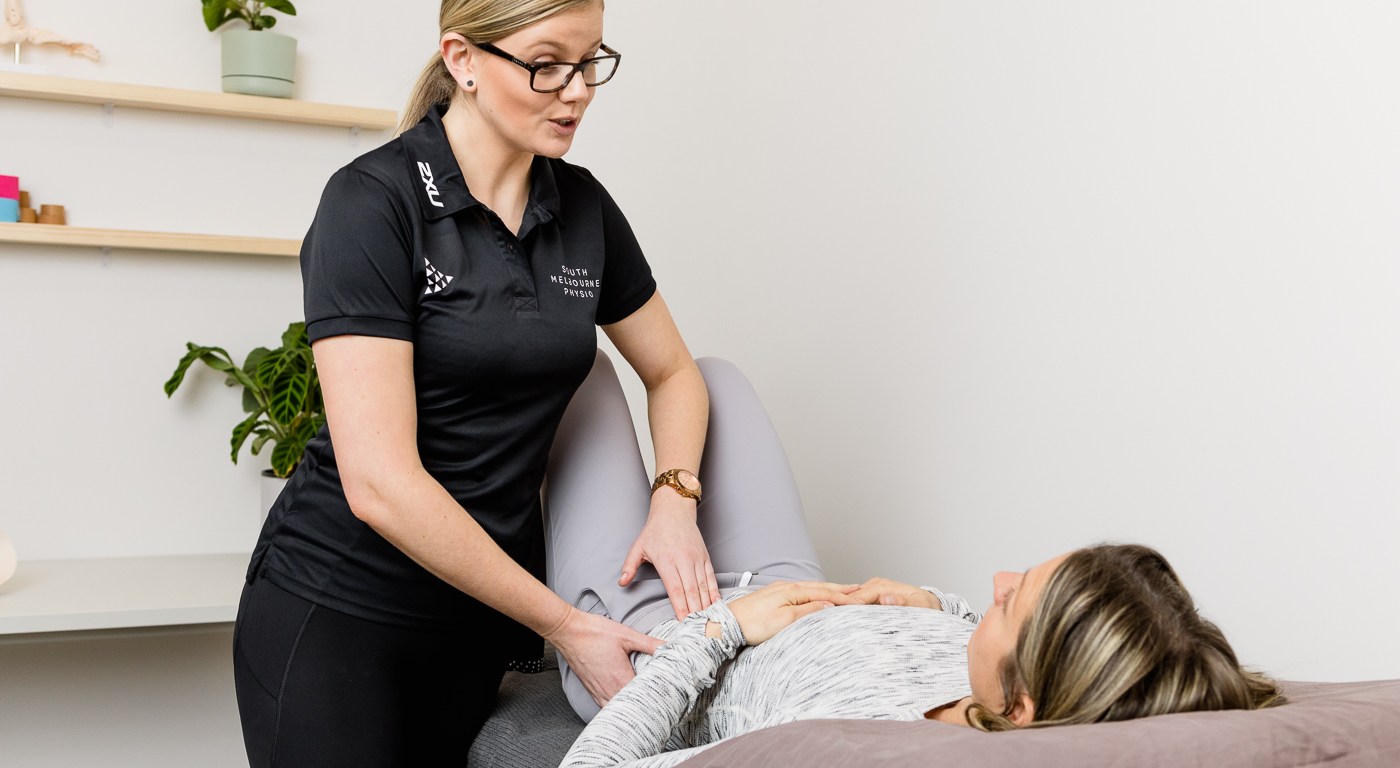
A common misconception is that in-home physiotherapy is a lesser, stripped-down version of clinic care. In practice, a home visiting physiotherapist arrives with the same clinical toolkit — resistance bands, balance aids, manual therapy skills — and often has an advantage the clinic doesn’t: they can see exactly how someone moves through their own environment.
That matters enormously for fall prevention. A physiotherapist working in a clinic gym can assess strength and balance, but they can’t see the loose rug in the hallway, the awkward step down into the laundry, or the low couch that’s genuinely difficult to get out of. Home visits build treatment plans around the person’s actual daily obstacles, not a generic simulation of them. In-home physiotherapy sessions typically cover strength and balance work, post-surgical rehabilitation, chronic pain management, and general mobility maintenance, all tailored to what’s realistically achievable in someone’s own lounge room or backyard.
Funding and Practical Considerations for Melbourne Families
For many Melbourne families, the first question isn’t whether home visiting physiotherapy makes sense — it’s whether it’s actually accessible and affordable. The good news is that in-home physiotherapy can typically be accessed through several funding pathways, including the Support at Home program (formerly Home Care Packages), NDIS plans for eligible participants, and private health cover for those with the right level of extras. It’s worth having this conversation early, ideally with a case manager or care coordinator if one is already involved, since funding arrangements can shape how often sessions happen and what they can include.
Melbourne’s outer suburbs — from the Mornington Peninsula through to the northern growth corridors — have historically been underserved by allied health providers willing to travel that far. Families in these areas have often had to choose between a long clinic commute or going without regular physiotherapy altogether. As more providers extend into these regions, that’s slowly starting to change, though it’s always worth confirming coverage for a specific postcode before assuming a service is available.
Signs It’s Time to Consider a Home-Based Approach
Not every family realises they’ve reached the point where home visiting physiotherapy makes more sense than clinic visits. A few common signals include:
- Appointments being cancelled or delayed because getting out of the house has become too difficult
- A recent fall, or a string of near-misses, that’s made everyone nervous about mobility
- Recovery from a hospital stay or surgery where clinic transport simply isn’t realistic yet
- A carer spending more time managing the logistics of appointments than actually supporting recovery
If any of these sound familiar, it’s a reasonable moment to have a conversation with a GP or existing care team about whether an in-home option would suit better.
Getting Started Without the Guesswork
For families new to the idea, the process is usually simpler than expected. It typically starts with a phone call or online enquiry, followed by an initial assessment where the physiotherapist gets a proper sense of the person’s goals, medical history, and living environment. From there, a treatment plan is built around realistic, achievable outcomes — not a generic checklist. Sessions are then scheduled at a frequency that suits both the clinical need and the household’s routine, which for many Melbourne families means fitting around work hours, school pickups, or a carer’s own appointments elsewhere in the city.
It’s also worth asking upfront how progress will be tracked and communicated, particularly if a case manager, GP, or other family members need to stay in the loop. A good provider will keep everyone informed without adding another task to an already full plate.
The Bigger Picture
Home visiting physiotherapy isn’t just about convenience, though that’s certainly part of the appeal for time-poor carers. It’s about treatment that reflects real life — a stairwell that needs to be navigated safely every single day, a garden that someone wants to keep tending, a bathroom that needs to stay usable without assistance for as long as possible. For families across Melbourne balancing work, caregiving, and everything in between, bringing physiotherapy into the home rather than fitting life around a clinic appointment can make an outsized difference to both recovery and day-to-day quality of life.

